BackEpisode 03
Episode 03 · Season 01 · May 13, 2026
How Personal Transformation Becomes Social Change
GuestMarshall Ganz
AffiliationHarvard Kennedy School
HostSimi
Episode03 / S01
ReleasedMay 13, 2026
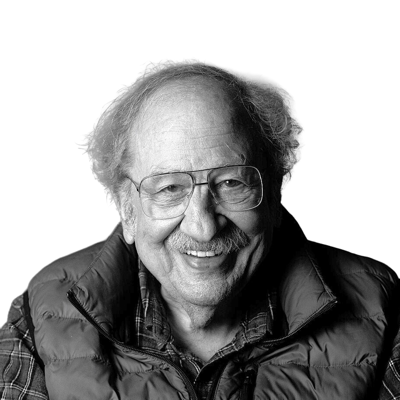
Marshall GanzHarvard Kennedy School

SimiHost, SPS Conversations
Selected passages. The full corrected transcript is in preparation.
0:34
Ganz
I guess I think of investing my life, as opposed to spending it. I grew up in stories — in the Jewish tradition, you grow up in story. You hear story after story; it’s like Abraham’s your grandfather. When I came back to school, I wound up in a seminar on the neurophysiology of myth, and it helped me appreciate the relationship between how stories work and how the brain works. First drawing from story, then enabling people to learn how to speak their own stories and their shared stories — the language of the heart, the language of why, the language of motivation. Not the language of how.
3:43
Simi
You dropped out of Harvard to join the civil rights movement in Mississippi. I came across the letter you wrote to the university, where you say: “How can I come back and study history when I’m busy making it?”
4:07
Ganz
It’s pretty arrogant, but it was also true. I went back to California and met Chavez, and realized there was a whole movement where I grew up that I hadn’t seen. I had to get what we called Mississippi eyes — come back home and see another community of people of color, also without political rights, also without economic protections. It was the realization that Mississippi was not an exception to America. It was an example of the America we needed to change.
12:56
Ganz
Narrative speaks the language of emotion. We think everything’s concept, everything’s in the head. But that’s information about how — it doesn’t tell us anything about why. Narrative has a particular way of addressing a fundamental challenge: how, when confronted with disruption, do I find the emotional resources not to react fearfully, but to engage with curiosity and learning? Because a story is structured the way it is — a challenge, a response, an outcome — and we can identify empathetically with the protagonist, we experience the fear or the overcoming. The moral a story teaches is to the heart. It’s not an idea. It’s an experience.
16:16
Ganz
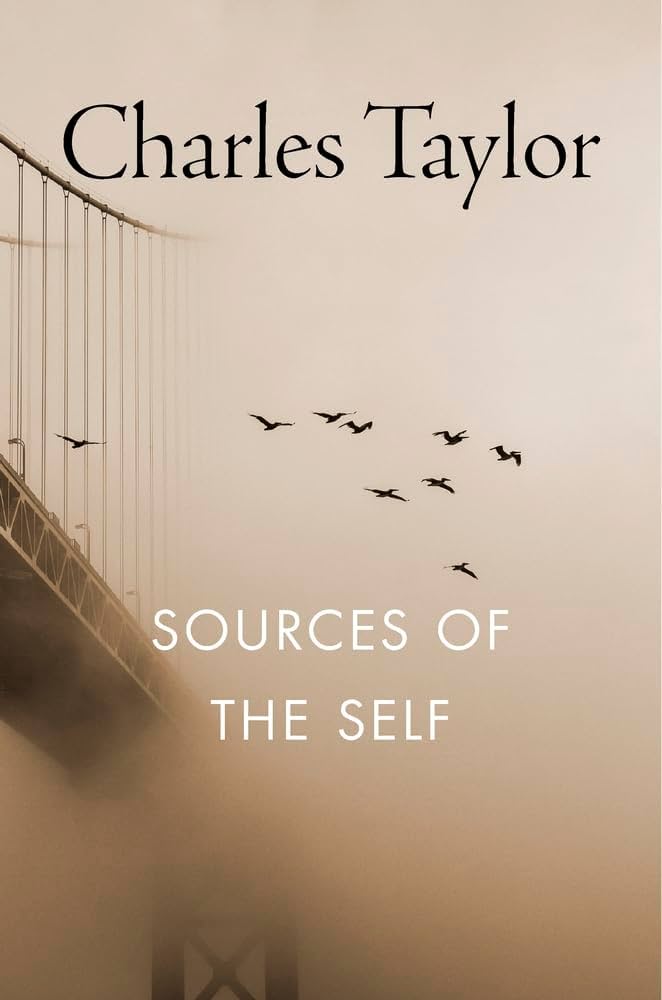
The most important question is why. Persistent why. You enter into a regression of whys, back to the real whys — experiential whys. When did you learn to care? When? Where? Often early in life, often hurtful. What about hope? What you’re enabling people to do is reconnect to what Charles Taylor calls moral sources — not arguments, not propositions, but experience.
18:46
Ganz
A lot of this goes back to Hillel’s three questions. First: if I am not for myself, who will be for me? Not selfish — self-regarding. If you presume to engage with others, you’d better be clear about your own values. The second: if I am for myself alone, what am I? To be a who and not a what is to recognize that we are relational creatures. And finally: if not now, when? Rarely can we learn to do what we want to do until we start to do it. There’s inherent risk in action, because there is no certainty in the world. Finding the courage to risk learning — that’s a lot of what it’s about.
24:18
Ganz
What does it take to make a relationship? It’s not a transaction. There’s a moment of choice, of risk: yes, I will commit my precious time to you. Trust isn’t a precondition. Trust grows out of relationship — it doesn’t precede it. In the farmworker movement we never had ecumenical services. The line was: you have a seder and invite me; I’ll have mass and invite you. A preservation of the difference of those traditions that allows us to understand the values we share — as opposed to trying to be the same.
33:46
Ganz
To presume that you can predict the future, whether as a pessimist or an optimist, is arrogant. When we close the door on possibility, we’re rejecting the way life actually works. So the question becomes: how do we, in the present, develop our muscles so that we recognize opportunity, recognize threat, adapt, and create? That’s why I like my definition of hope: belief in the plausibility of the possible, as opposed to the necessity of the probable. That’s the Goliath story. It was always probable Goliath would win. He didn’t.
Discuss this episode
0 commentsNothing written yet. The first comment sets the tone.